
 EN
EN
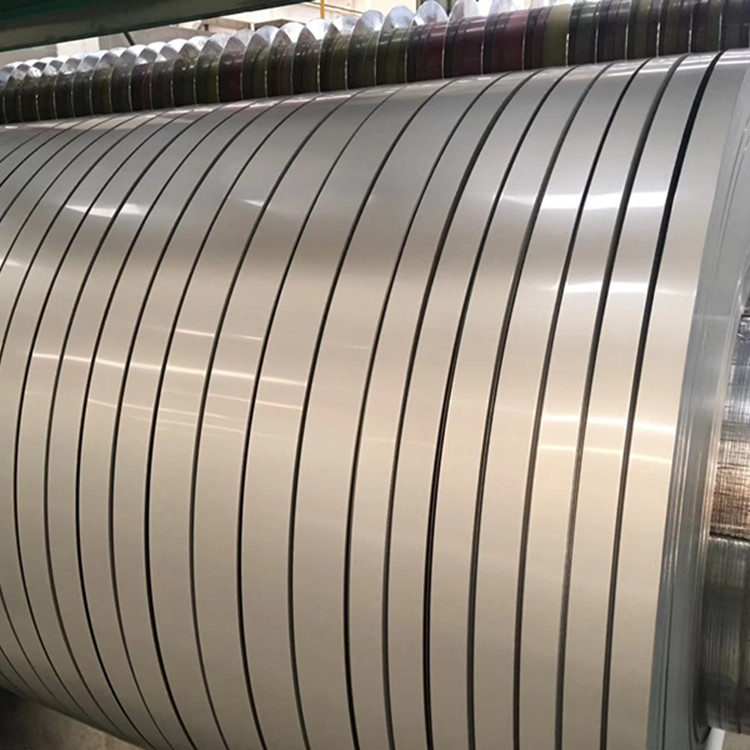
In today's demanding industrial landscape, material selection plays a crucial role in determining the longevity and performance of critical infrastructure. Engineers and procurement specialists increasingly turn to advanced stainless steel solutions that can withstand extreme conditions while maintaining structural integrity. Among these specialized materials, duplex steel strip has emerged as a superior choice for applications requiring exceptional corrosion resistance and mechanical strength in harsh operating environments.
The unique metallurgical composition of duplex steel creates a dual-phase microstructure that delivers performance characteristics unmatched by conventional austenitic or ferritic stainless steels. This advanced material technology combines the best attributes of both phases, resulting in enhanced resistance to stress corrosion cracking, pitting, and crevice corrosion. Industries ranging from oil and gas to marine engineering have recognized the value proposition that duplex steel strip offers for mission-critical applications.
Understanding the fundamental properties that make duplex steel strip exceptionally resistant to environmental challenges requires examining its microstructural design, chemical composition, and the synergistic effects that emerge from its balanced metallurgy. This comprehensive analysis reveals why leading manufacturers and engineering firms specify duplex grades for projects where material failure is not an option.
Microstructural Foundation of Duplex Steel Performance
Balanced Austenite-Ferrite Phase Structure
The defining characteristic of duplex steel strip lies in its approximately equal proportions of austenite and ferrite phases, typically maintaining a 50-50 balance under optimal processing conditions. This dual-phase microstructure creates a synergistic effect where the ductile austenite phase provides toughness and corrosion resistance, while the stronger ferrite phase contributes to higher yield strength and resistance to chloride-induced stress corrosion cracking.
Manufacturing processes for duplex steel strip require precise control of cooling rates and thermomechanical treatment to achieve the desired phase balance. Rapid cooling from solution annealing temperatures prevents the formation of detrimental intermetallic phases while preserving the beneficial dual-phase structure. This controlled metallurgy ensures consistent mechanical properties and corrosion resistance across the entire strip width and length.
The grain refinement effect resulting from the dual-phase structure significantly enhances the material's resistance to localized corrosion attacks. Fine grain boundaries create multiple barriers to crack propagation and provide numerous nucleation sites for protective passive films. This microstructural advantage becomes particularly important in environments containing aggressive chloride ions or cyclic loading conditions.
Intermetallic Phase Control
Critical to the performance of duplex steel strip is the careful control of potentially harmful intermetallic phases such as sigma, chi, and nitride precipitates. These phases can form during inappropriate heat treatment or prolonged exposure to elevated temperatures, significantly degrading both mechanical properties and corrosion resistance. Modern duplex steel compositions incorporate balanced alloying elements to minimize the tendency for detrimental phase formation.
Advanced manufacturing techniques employ rapid cooling rates and optimized annealing cycles to maintain the material in its most beneficial metallurgical state. Quality control procedures include microscopic examination and electrochemical testing to verify that the microstructure meets stringent specifications for critical applications. This attention to metallurgical detail ensures that the duplex steel strip maintains its superior environmental resistance throughout its service life.
The absence of harmful precipitates allows the material to maintain its high pitting resistance equivalent number (PREN), a key indicator of corrosion resistance in chloride environments. This metallurgical stability becomes especially important in applications involving thermal cycling or welding operations, where temperature excursions could otherwise compromise material integrity.
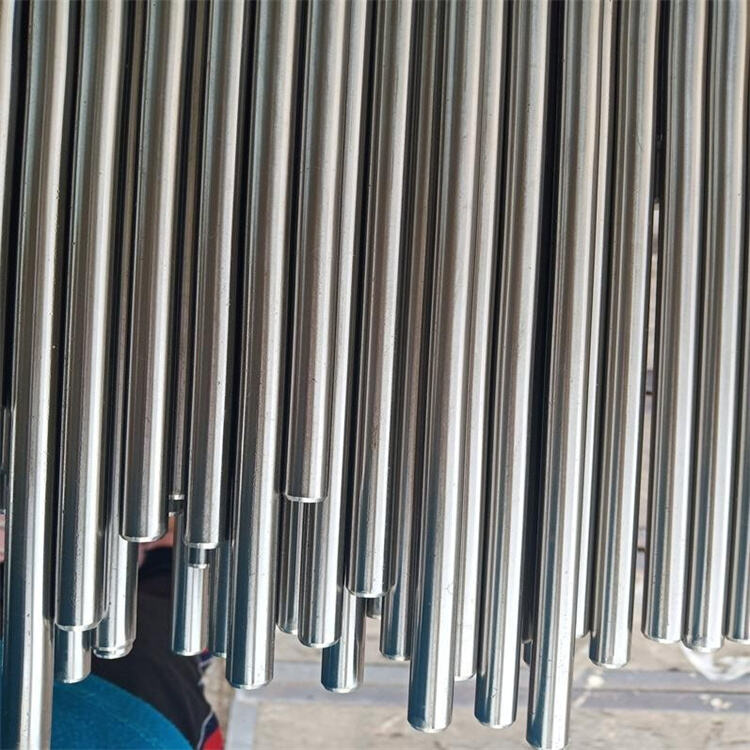
Chemical Composition Optimization for Environmental Resistance
Strategic Alloying Element Balance
The exceptional environmental resistance of duplex steel strip stems from its carefully optimized chemical composition, featuring elevated levels of chromium, nickel, molybdenum, and nitrogen. Standard duplex grades typically contain 22-25% chromium, providing the foundation for passive film formation and general corrosion resistance. The addition of 3-7% nickel stabilizes the austenite phase while contributing to the material's resistance to reducing acids and stress corrosion cracking.
Molybdenum content, typically ranging from 2.5-4%, significantly enhances the material's resistance to pitting and crevice corrosion in chloride-containing environments. This element works synergistically with chromium to strengthen the passive oxide layer and improve its stability under aggressive chemical attack. The precise molybdenum level is optimized to maximize corrosion resistance while maintaining the desired phase balance and mechanical properties.
Nitrogen additions, usually between 0.15-0.30%, serve multiple beneficial functions in duplex steel strip formulations. This interstitial element increases yield strength, enhances austenite stability, and significantly improves pitting resistance. The controlled nitrogen content also helps maintain the optimal phase balance during thermal processing and contributes to the material's excellent mechanical properties at both ambient and elevated temperatures.
Trace Element Management
Beyond the primary alloying elements, careful control of trace elements plays a crucial role in optimizing the performance of duplex steel strip. Elements such as copper, tungsten, and titanium may be added in small quantities to enhance specific properties or processing characteristics. Conversely, harmful elements like sulfur, phosphorus, and carbon are minimized to prevent the formation of inclusions or precipitates that could compromise corrosion resistance.
Advanced steelmaking techniques, including vacuum degassing and electroslag remelting, enable precise control of these trace elements while ensuring high cleanliness levels. This metallurgical precision results in duplex steel strip with consistent properties and predictable performance in demanding service environments. The improved cleanliness also enhances the material's fatigue resistance and reduces the likelihood of premature failure under cyclic loading conditions.
Quality assurance programs for duplex steel strip include comprehensive chemical analysis using advanced spectroscopic techniques to verify that all alloying elements fall within specified ranges. This analytical precision ensures that each production lot meets the stringent requirements for critical applications where material reliability is paramount.
Corrosion Resistance Mechanisms in Harsh Environments
Passive Film Formation and Stability
The superior corrosion resistance of duplex steel strip in harsh environments stems from its ability to form and maintain a highly stable passive oxide film on its surface. This protective layer, primarily composed of chromium oxide with enriched molybdenum and nitrogen species, acts as a barrier between the underlying metal and aggressive environmental species. The dual-phase microstructure contributes to passive film stability by providing multiple crystallographic orientations that enhance overall protection.
Under normal atmospheric conditions, the passive film forms spontaneously and self-repairs minor damage through repassivation processes. In more aggressive environments containing chlorides, acids, or elevated temperatures, the enhanced alloying content of duplex steel strip maintains film integrity where conventional stainless steels might fail. This superior passive film stability translates directly into extended service life and reduced maintenance requirements for critical infrastructure components.
Research has demonstrated that the passive film on duplex steel strip exhibits enhanced resistance to breakdown under aggressive electrochemical conditions. The presence of molybdenum and nitrogen in the oxide layer creates a more chemically inert surface that resists attack from halide ions and other aggressive species commonly encountered in industrial environments.
Localized Corrosion Prevention
One of the most significant advantages of duplex steel strip lies in its exceptional resistance to localized forms of corrosion, including pitting, crevice corrosion, and stress corrosion cracking. The high pitting resistance equivalent number (PREN) of duplex grades, typically exceeding 35, indicates superior performance in chloride-rich environments where conventional austenitic stainless steels experience rapid deterioration.
The balanced microstructure of duplex steel strip provides multiple barriers to crack initiation and propagation. When localized corrosion attempts to initiate at one phase, the adjacent phase with different electrochemical properties can arrest or redirect the attack, effectively distributing the corrosive action over a larger area. This microstructural advantage becomes particularly important in marine environments, chemical processing facilities, and oil and gas operations where chloride exposure is unavoidable.
Field experience has consistently demonstrated that duplex steel strip components outlast conventional materials by factors of three to five in aggressive service environments. This performance advantage results from the material's inherent resistance to the initiation and propagation of localized corrosion, even under conditions of mechanical stress, temperature fluctuations, and chemical exposure that would compromise lesser materials.
Mechanical Properties Under Environmental Stress
Strength and Toughness Retention
The mechanical properties of duplex steel strip remain remarkably stable across a wide range of environmental conditions, maintaining both strength and toughness under circumstances that would degrade conventional materials. The dual-phase microstructure provides approximately twice the yield strength of standard austenitic grades while retaining sufficient ductility for complex forming operations and dynamic loading applications.
Temperature fluctuations, which can significantly affect the mechanical behavior of many engineering materials, have minimal impact on properly processed duplex steel strip. The balanced phase structure maintains its integrity from cryogenic temperatures up to approximately 250°C, making it suitable for applications involving thermal cycling or seasonal temperature variations. This thermal stability ensures consistent mechanical performance throughout the material's service life.
Fatigue resistance, a critical property for components subjected to cyclic loading, benefits significantly from the fine-grained dual-phase structure of duplex steel strip. The alternating phases create multiple barriers to crack propagation while the overall high strength reduces stress levels under given loading conditions. This combination results in extended fatigue life compared to conventional stainless steel grades, particularly important for structural applications in harsh environments.
Stress Corrosion Cracking Resistance
Perhaps the most critical advantage of duplex steel strip in harsh environments is its exceptional resistance to stress corrosion cracking (SCC), a failure mode that can cause catastrophic equipment failure without warning. The ferritic phase provides inherent resistance to chloride-induced SCC, while the austenitic phase contributes to overall toughness and ductility. This synergistic combination virtually eliminates SCC susceptibility under most industrial operating conditions.
Laboratory testing and field experience have demonstrated that duplex steel strip can withstand stress levels up to 90% of its yield strength in aggressive chloride environments without developing stress corrosion cracks. This performance represents a significant safety margin compared to conventional austenitic stainless steels, which may fail at stress levels as low as 30% of yield strength under similar conditions.
The resistance to SCC extends to various environmental conditions, including elevated temperatures, pH variations, and the presence of hydrogen sulfide or other aggressive species commonly encountered in industrial processes. This broad-spectrum resistance makes duplex steel strip an ideal choice for critical applications where unexpected failure could result in safety hazards, environmental damage, or significant economic losses.
Applications in Extreme Service Conditions
Marine and Offshore Environments
Marine applications represent some of the most challenging service environments for metallic materials, combining high chloride concentrations, temperature variations, mechanical stresses, and biofouling effects. Duplex steel strip has proven exceptionally well-suited for these conditions, finding extensive use in offshore platform structures, marine heat exchangers, and seawater piping systems where conventional materials experience rapid deterioration.
The superior pitting resistance of duplex steel strip becomes particularly important in marine environments where stagnant seawater conditions can create localized aggressive chemistry. Components fabricated from this material maintain structural integrity and corrosion resistance even after years of continuous seawater exposure, significantly reducing maintenance requirements and extending equipment service life.
Fabrication advantages of duplex steel strip include excellent weldability and forming characteristics that allow complex geometries required for marine applications. The material's high strength-to-weight ratio enables lighter structural designs while maintaining safety factors, an important consideration for offshore installations where weight restrictions are critical.
Chemical Processing Industries
Chemical processing facilities present unique challenges requiring materials that can withstand exposure to various corrosive chemicals, elevated temperatures, and process-induced stresses. Duplex steel strip has found widespread acceptance in these applications, particularly for heat exchanger tubing, reactor vessels, and piping systems handling aggressive process streams.
The broad chemical resistance of duplex steel strip encompasses organic acids, inorganic chemicals, and mixed-phase systems that would quickly attack conventional materials. This versatility allows plant designers to specify a single material grade for multiple applications, simplifying inventory management and reducing procurement costs while ensuring reliable long-term performance.
Process industries have documented significant economic benefits from specifying duplex steel strip for critical applications, including reduced downtime, extended maintenance intervals, and improved process safety. The material's ability to maintain performance under upset conditions provides an additional safety margin that is particularly valuable in hazardous chemical processing environments.
Manufacturing and Quality Assurance Excellence
Advanced Production Techniques
The production of high-quality duplex steel strip requires sophisticated manufacturing processes that carefully control composition, microstructure, and mechanical properties. Modern steelmaking facilities employ electric arc furnaces with advanced refining techniques to achieve the precise chemical composition required for optimal performance. Continuous casting and hot rolling operations are carefully controlled to maintain the desired phase balance throughout the material thickness.
Cold rolling and annealing processes for duplex steel strip involve precise temperature and time controls to achieve the final mechanical properties and surface finish. The annealing atmosphere is carefully managed to prevent oxidation while ensuring complete recrystallization and optimal phase distribution. These manufacturing refinements result in material with consistent properties and surface quality suitable for demanding applications.
Quality control systems throughout the manufacturing process include real-time monitoring of chemical composition, temperature profiles, and mechanical properties. Advanced testing techniques such as ultrasonic inspection, eddy current testing, and microscopic examination ensure that each production lot meets stringent specifications for critical applications.
Testing and Certification Standards
Comprehensive testing protocols for duplex steel strip encompass mechanical property verification, corrosion resistance evaluation, and microstructural analysis to ensure consistent quality and performance. Standard test methods include tensile testing, impact testing, and specialized corrosion tests such as critical pitting temperature determination and stress corrosion cracking resistance evaluation.
International standards organizations have developed specific requirements for duplex steel strip products, including ASTM, EN, and JIS specifications that define chemical composition limits, mechanical property requirements, and testing procedures. Compliance with these standards ensures material interchangeability and provides confidence in performance predictions for engineering applications.
Third-party certification and inspection services provide additional quality assurance for critical applications. These services include independent verification of material properties, traceability documentation, and compliance with applicable codes and standards. Such comprehensive quality assurance programs ensure that duplex steel strip meets the exacting requirements of industries where material failure is not acceptable.
FAQ
What temperature range can duplex steel strip withstand in service applications
Duplex steel strip maintains its beneficial dual-phase microstructure and mechanical properties within a service temperature range from cryogenic conditions up to approximately 250°C (482°F). Below this range, the material retains excellent toughness and ductility, while above 250°C, prolonged exposure may lead to the formation of detrimental intermetallic phases that could compromise corrosion resistance and mechanical properties. For applications requiring higher temperature exposure, super duplex grades or alternative materials should be considered.
How does duplex steel strip compare to conventional austenitic stainless steels in chloride environments
Duplex steel strip significantly outperforms conventional austenitic stainless steels in chloride-containing environments due to its higher pitting resistance equivalent number (PREN) and inherent resistance to stress corrosion cracking. While austenitic grades like 316L may experience pitting corrosion and SCC at relatively low chloride concentrations and stress levels, duplex steel strip maintains integrity under much more aggressive conditions, often providing three to five times longer service life in marine and industrial chloride environments.
Can duplex steel strip be welded using standard procedures
Duplex steel strip can be successfully welded using appropriate procedures and filler metals specifically designed for duplex grades. The key considerations include maintaining proper heat input to preserve the beneficial phase balance, using nitrogen-bearing shielding gases or flux-cored wires to maintain nitrogen content in the weld metal, and controlling cooling rates to prevent the formation of detrimental phases. Pre-heating is typically not required, but post-weld heat treatment may be necessary for thick sections or highly stressed joints.
What industries benefit most from specifying duplex steel strip for critical applications
Industries that benefit most from duplex steel strip include oil and gas (offshore platforms, subsea equipment), marine engineering (shipbuilding, port infrastructure), chemical processing (heat exchangers, piping systems), pulp and paper (bleaching equipment), desalination plants (reverse osmosis systems), and food processing (storage tanks, conveyor systems). These industries require materials that can withstand aggressive environments while maintaining structural integrity and safety margins over extended service periods.
Table of Contents
- Microstructural Foundation of Duplex Steel Performance
- Chemical Composition Optimization for Environmental Resistance
- Corrosion Resistance Mechanisms in Harsh Environments
- Mechanical Properties Under Environmental Stress
- Applications in Extreme Service Conditions
- Manufacturing and Quality Assurance Excellence
-
FAQ
- What temperature range can duplex steel strip withstand in service applications
- How does duplex steel strip compare to conventional austenitic stainless steels in chloride environments
- Can duplex steel strip be welded using standard procedures
- What industries benefit most from specifying duplex steel strip for critical applications