
 EN
EN
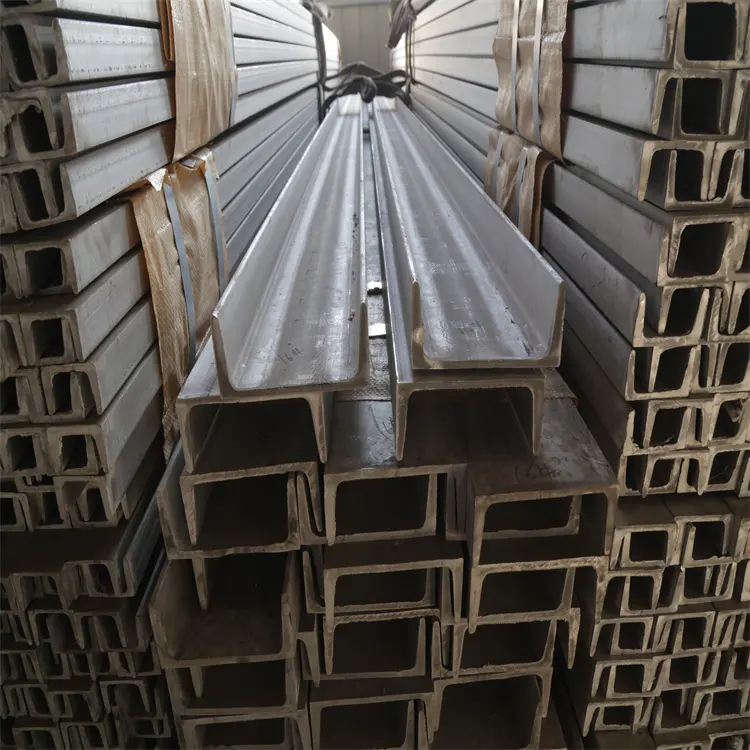
The oil and gas industry demands materials that can withstand extreme conditions, corrosive environments, and high-pressure applications. Among the specialized materials used in these challenging sectors, duplex steel strip stands out as a superior solution that combines exceptional strength with outstanding corrosion resistance. This unique material has revolutionized how engineers approach critical applications in offshore drilling, pipeline construction, and petrochemical processing facilities.
The composition of duplex steel strip creates a balanced microstructure that delivers twice the strength of conventional austenitic stainless steels while maintaining superior corrosion resistance. This dual-phase structure consists of approximately equal proportions of austenite and ferrite, resulting in mechanical properties that exceed those of individual phases. The enhanced performance characteristics make this material particularly valuable in applications where weight reduction and structural integrity are paramount concerns.
Oil and gas operations frequently involve exposure to hydrogen sulfide, chlorides, and other aggressive chemicals that can rapidly degrade standard materials. The specialized metallurgy of duplex steel strip provides exceptional resistance to stress corrosion cracking, pitting, and crevice corrosion in these harsh environments. This resistance translates to extended service life, reduced maintenance costs, and improved operational reliability across various applications.
Superior Corrosion Resistance in Harsh Environments
Chemical Composition and Protective Properties
The exceptional corrosion resistance of duplex steel strip stems from its carefully balanced chemical composition, which typically includes chromium, nickel, molybdenum, and nitrogen. The chromium content, usually ranging from 22% to 25%, forms a passive oxide layer that provides primary protection against general corrosion. This protective layer remains stable even in acidic conditions commonly encountered in oil and gas processing.
Molybdenum addition significantly enhances the material's resistance to pitting and crevice corrosion, particularly in chloride-containing environments. The nitrogen content strengthens the austenite phase while improving resistance to localized corrosion attacks. This synergistic effect of alloying elements creates a material that can withstand the most aggressive chemical environments found in offshore platforms and processing facilities.
Performance in Sour Service Conditions
Sour service conditions, characterized by the presence of hydrogen sulfide, pose significant challenges for material selection in oil and gas applications. Standard carbon steels and even some stainless steels can experience rapid degradation through sulfide stress cracking and hydrogen embrittlement. The duplex steel strip demonstrates exceptional resistance to these failure mechanisms due to its unique microstructure and composition.
The dual-phase structure of duplex steel strip provides multiple barriers against hydrogen diffusion and crack propagation. The ferrite phase acts as a hydrogen trap, preventing accumulation at grain boundaries where cracking typically initiates. This characteristic makes duplex steel strip an ideal choice for downhole tubulars, wellhead components, and pipeline applications in sour gas environments.
Enhanced Mechanical Properties for Critical Applications
Strength and Toughness Characteristics
The mechanical properties of duplex steel strip significantly exceed those of conventional austenitic stainless steels, providing yield strengths typically ranging from 450 to 550 MPa. This enhanced strength allows for thinner wall sections in pressure vessels and piping systems, resulting in weight savings and reduced material costs. The improved strength-to-weight ratio becomes particularly advantageous in offshore applications where weight limitations are critical design considerations.
Despite the increased strength, duplex steel strip maintains excellent toughness characteristics at both ambient and cryogenic temperatures. The balanced microstructure prevents the brittleness often associated with high-strength materials, ensuring reliable performance during installation and operation. This combination of strength and toughness makes duplex steel strip suitable for applications ranging from shallow water platforms to deep-water drilling operations.
Fatigue Resistance and Durability
Oil and gas equipment frequently experiences cyclic loading conditions due to pressure fluctuations, thermal cycling, and wave action in offshore environments. The superior fatigue resistance of duplex steel strip ensures reliable long-term performance under these demanding conditions. The fine-grained microstructure and balanced phase distribution contribute to excellent fatigue crack initiation and propagation resistance.
Laboratory testing and field experience demonstrate that duplex steel strip can withstand millions of loading cycles without failure, significantly extending equipment service life. This durability reduces maintenance requirements and operational downtime, translating to substantial cost savings over the equipment lifecycle. The material's ability to maintain structural integrity under repeated loading makes it particularly valuable for flexible risers and dynamic positioning systems.
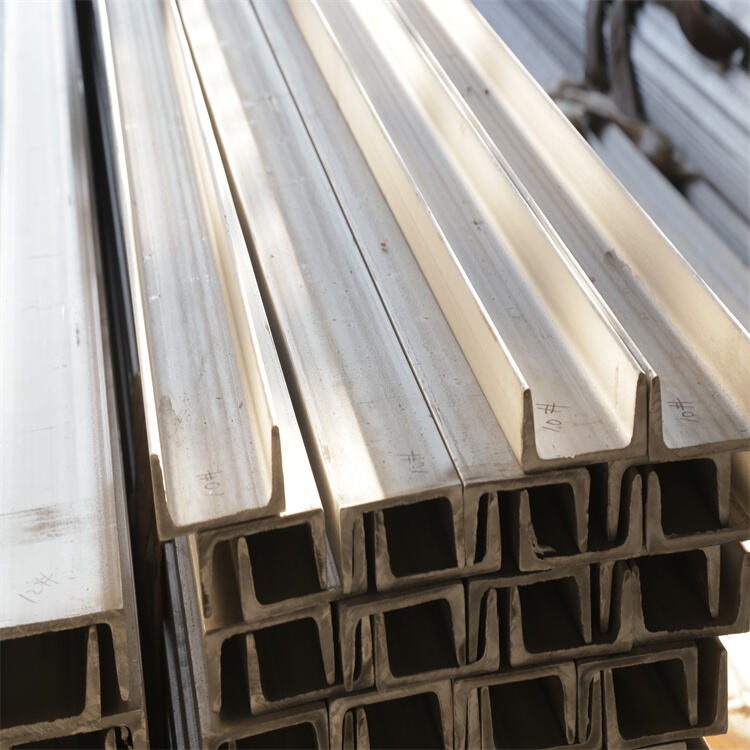
Manufacturing Advantages and Processing Capabilities
Cold Working and Formability
The manufacturing characteristics of duplex steel strip provide significant advantages in fabrication processes commonly used in oil and gas equipment production. The material exhibits excellent cold working properties, allowing for complex forming operations without compromising mechanical properties. This formability enables the production of intricate components such as heat exchanger tubes, expansion bellows, and specialized fittings.
During cold working processes, the duplex microstructure remains stable, and work hardening rates are manageable compared to fully austenitic grades. This behavior allows for consistent forming operations and predictable mechanical properties in the finished components. The ability to achieve tight dimensional tolerances through cold working processes reduces secondary machining requirements and associated costs.
Welding Characteristics and Joint Integrity
Welding represents a critical aspect of oil and gas equipment fabrication, and duplex steel strip demonstrates excellent weldability when proper procedures are followed. The material's composition and microstructure allow for successful welding using conventional techniques including gas tungsten arc welding, gas metal arc welding, and submerged arc welding processes.
Proper heat input control during welding maintains the balanced duplex microstructure in the heat-affected zone, preserving the material's superior properties. Post-weld heat treatment requirements are minimal compared to other high-performance alloys, reducing fabrication time and costs. The excellent weld metal properties ensure that joints maintain the same corrosion resistance and mechanical strength as the base material.
Cost-Effectiveness and Economic Benefits
Lifecycle Cost Analysis
While the initial cost of duplex steel strip may be higher than conventional materials, comprehensive lifecycle cost analysis consistently demonstrates significant economic advantages. The extended service life, reduced maintenance requirements, and improved reliability result in lower total cost of ownership for oil and gas equipment. These savings become particularly pronounced in offshore applications where maintenance access is limited and costly.
The ability to specify thinner wall sections due to higher strength properties reduces material consumption and associated costs. Weight savings in offshore structures translate to reduced installation costs and improved platform capacity utilization. Additionally, the extended inspection intervals possible with duplex steel strip reduce operational expenses and improve production uptime.
Risk Mitigation and Insurance Benefits
The superior reliability and performance history of duplex steel strip components contribute to reduced operational risk profiles for oil and gas facilities. Insurance providers increasingly recognize the benefits of using high-performance materials, often resulting in reduced premium costs for facilities utilizing duplex steel strip in critical applications. The material's track record of preventing catastrophic failures provides additional confidence for risk assessment purposes.
Environmental risk mitigation represents another significant economic benefit, as the reduced likelihood of equipment failure minimizes the potential for oil spills and other environmental incidents. Regulatory compliance becomes more manageable with the enhanced reliability provided by duplex steel strip components, reducing the risk of fines and operational shutdowns.
Specific Applications in Oil and Gas Operations
Offshore Platform Components
Offshore platforms represent one of the most demanding applications for duplex steel strip in the oil and gas industry. The material finds extensive use in seawater handling systems, ballast tanks, and structural components exposed to marine environments. The combination of high strength and excellent corrosion resistance makes duplex steel strip ideal for these applications where failure is not an option.
Specific platform components manufactured from duplex steel strip include piping systems, heat exchangers, pressure vessels, and structural supports. The material's ability to maintain properties in seawater environments eliminates the need for expensive coatings and cathodic protection systems in many applications. This simplification reduces installation complexity and long-term maintenance requirements.
Pipeline and Transportation Systems
Pipeline applications for duplex steel strip continue to expand as operators seek materials capable of handling increasingly challenging transportation conditions. The material's resistance to flow-induced corrosion and erosion makes it suitable for high-velocity fluid transport systems. Additionally, the excellent low-temperature properties enable use in arctic pipeline applications where conventional materials may become brittle.
Subsea pipeline applications particularly benefit from the corrosion resistance and strength properties of duplex steel strip. The material's ability to resist galvanic corrosion when in contact with other metals simplifies pipeline design and reduces the complexity of corrosion protection systems. This characteristic becomes especially valuable in pipeline repair and modification operations where material compatibility is crucial.
Quality Standards and Certification Requirements
Industry Specifications and Compliance
The use of duplex steel strip in oil and gas applications requires compliance with stringent industry standards and specifications. Major specifications including ASTM A240, ASME SA-240, and EN 10088 define the requirements for chemical composition, mechanical properties, and manufacturing processes. These standards ensure consistent quality and performance across different suppliers and applications.
Additional industry-specific requirements from organizations such as NACE International and API provide guidance for material selection and application in specific environments. Compliance with these standards requires comprehensive testing and documentation throughout the manufacturing process, ensuring that materials meet the demanding requirements of oil and gas applications.
Testing and Verification Procedures
Quality assurance for duplex steel strip involves extensive testing procedures to verify chemical composition, mechanical properties, and corrosion resistance characteristics. Standard tests include tensile testing, impact testing, intergranular corrosion testing, and critical pitting temperature determination. These tests ensure that materials meet specified requirements and provide predictable performance in service.
Non-destructive testing methods such as ultrasonic inspection and eddy current testing verify the integrity of duplex steel strip products. These techniques detect internal defects and ensure dimensional compliance throughout the manufacturing process. Comprehensive certification documentation accompanies each material lot, providing traceability and quality assurance for end users.
FAQ
What makes duplex steel strip superior to other stainless steel grades for oil and gas applications?
Duplex steel strip offers approximately twice the strength of standard austenitic stainless steels while maintaining excellent corrosion resistance. The balanced microstructure provides superior resistance to stress corrosion cracking and pitting in chloride environments commonly found in oil and gas operations. This combination allows for thinner wall sections, weight savings, and extended service life compared to conventional materials.
Can duplex steel strip be used in high-temperature oil and gas applications?
Yes, duplex steel strip maintains its excellent properties at temperatures up to 250°C (482°F), making it suitable for many oil and gas processing applications. However, prolonged exposure to temperatures above 300°C should be avoided as it may lead to precipitation of secondary phases that could reduce toughness and corrosion resistance. For higher temperature applications, super duplex grades or other specialized alloys may be more appropriate.
How does the cost of duplex steel strip compare to other materials used in oil and gas applications?
While the initial material cost of duplex steel strip is higher than carbon steel or standard stainless steel, the total lifecycle cost is typically lower due to extended service life, reduced maintenance requirements, and the ability to use thinner sections. The superior performance in corrosive environments eliminates the need for expensive coatings and frequent replacements, resulting in significant long-term cost savings.
What welding considerations are important when working with duplex steel strip?
Successful welding of duplex steel strip requires proper heat input control to maintain the balanced microstructure in the heat-affected zone. Preheat is generally not required, but interpass temperature should be controlled to prevent excessive austenite formation. Matching filler metals should be used, and post-weld heat treatment is typically not necessary. Proper shielding gas composition and welding technique are essential for achieving optimal joint properties.
Table of Contents
- Superior Corrosion Resistance in Harsh Environments
- Enhanced Mechanical Properties for Critical Applications
- Manufacturing Advantages and Processing Capabilities
- Cost-Effectiveness and Economic Benefits
- Specific Applications in Oil and Gas Operations
- Quality Standards and Certification Requirements
-
FAQ
- What makes duplex steel strip superior to other stainless steel grades for oil and gas applications?
- Can duplex steel strip be used in high-temperature oil and gas applications?
- How does the cost of duplex steel strip compare to other materials used in oil and gas applications?
- What welding considerations are important when working with duplex steel strip?