
 EN
EN
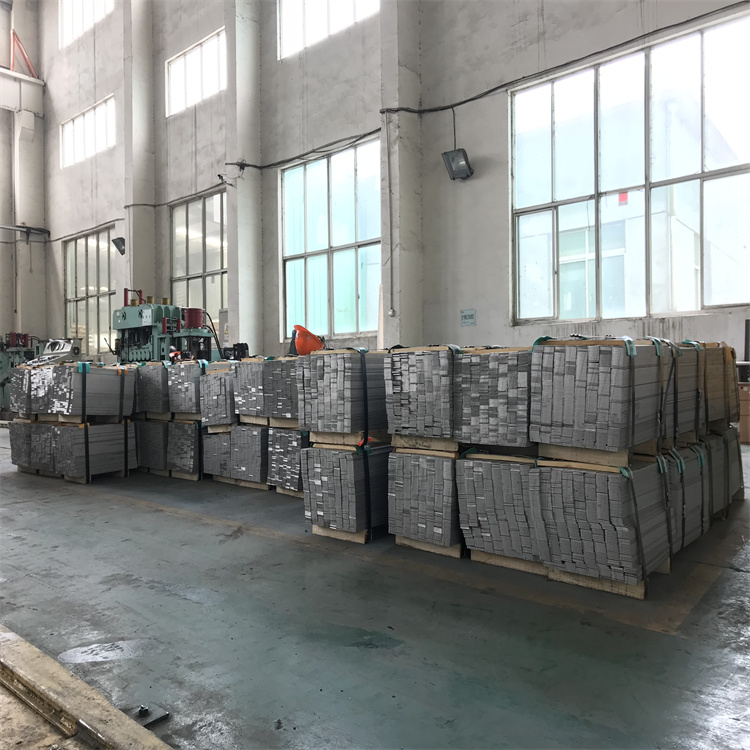
Stainless steel channel has emerged as a fundamental component in modern structural engineering, offering exceptional versatility and performance characteristics that traditional materials often cannot match. These specialized profiles provide structural engineers and architects with reliable solutions for demanding applications across various industries. The unique properties of stainless steel channel make it an indispensable element in contemporary construction projects, from industrial facilities to architectural masterpieces.
The growing popularity of stainless steel channel stems from its remarkable ability to withstand harsh environmental conditions while maintaining structural integrity over extended periods. Unlike conventional steel channels, stainless varieties resist corrosion, oxidation, and chemical degradation, making them ideal for applications where longevity and minimal maintenance are crucial considerations. This inherent durability translates into significant cost savings over the lifespan of a structure, as replacement and maintenance requirements are substantially reduced.
Material Properties and Performance Characteristics
Corrosion Resistance and Environmental Durability
The exceptional corrosion resistance of stainless steel channel represents its most significant advantage in structural applications. The chromium content in stainless steel forms a passive oxide layer that self-heals when damaged, providing continuous protection against environmental factors. This protective characteristic ensures that structures maintain their appearance and functionality even when exposed to moisture, salt spray, chemical vapors, or extreme temperature fluctuations.
Environmental durability extends beyond simple corrosion resistance to encompass thermal stability and UV resistance. Stainless steel channel maintains its mechanical properties across wide temperature ranges, making it suitable for applications in both arctic conditions and high-temperature industrial environments. The material does not degrade under ultraviolet radiation, ensuring that outdoor installations retain their structural integrity and aesthetic appeal over many decades of service.
Strength-to-Weight Ratio and Load-Bearing Capacity
Modern stainless steel channel designs optimize the strength-to-weight ratio through advanced metallurgy and precise manufacturing processes. The inherent strength of stainless steel allows for the creation of lightweight yet robust structural elements that can support significant loads while minimizing overall structural weight. This characteristic proves particularly valuable in applications where weight restrictions are critical, such as aerospace structures, marine platforms, and high-rise buildings.
Load-bearing capacity calculations for stainless steel channel must account for both static and dynamic loading conditions. The material exhibits excellent fatigue resistance, maintaining structural integrity under repeated loading cycles that might cause failure in other materials. Engineers can specify smaller cross-sections while achieving equivalent load-bearing performance, resulting in material savings and enhanced design flexibility.
Manufacturing Excellence and Quality Standards
Production Methods and Surface Finishes
Contemporary manufacturing techniques for stainless steel channel incorporate advanced forming processes that ensure dimensional accuracy and consistent material properties. Hot rolling and cold forming methods are carefully selected based on the intended application requirements, with each process offering distinct advantages in terms of strength characteristics and surface quality. The precision achievable in modern manufacturing facilities allows for tight tolerances that facilitate seamless integration into complex structural assemblies.
Surface finish options for stainless steel channel range from mill finish to highly polished surfaces, depending on aesthetic requirements and functional considerations. Specialized finishes such as brushed, mirror-polished, or textured surfaces can be applied to enhance both appearance and performance characteristics. These surface treatments not only improve visual appeal but can also influence factors such as cleanability, light reflection, and resistance to fingerprinting or staining.
Quality Control and Certification Standards
Rigorous quality control measures ensure that stainless steel channel products meet or exceed international standards for structural applications. Chemical composition verification, mechanical property testing, and dimensional inspection protocols are implemented throughout the manufacturing process to guarantee consistency and reliability. These quality assurance measures provide engineers and specifiers with confidence in the performance characteristics of the materials they select for critical applications.
Certification standards such as ASTM, EN, and JIS specifications define minimum requirements for chemical composition, mechanical properties, and dimensional tolerances. Leading manufacturers maintain comprehensive traceability systems that document the entire production process, from raw material sourcing through final inspection. This documentation proves invaluable for quality audits, warranty claims, and regulatory compliance requirements.
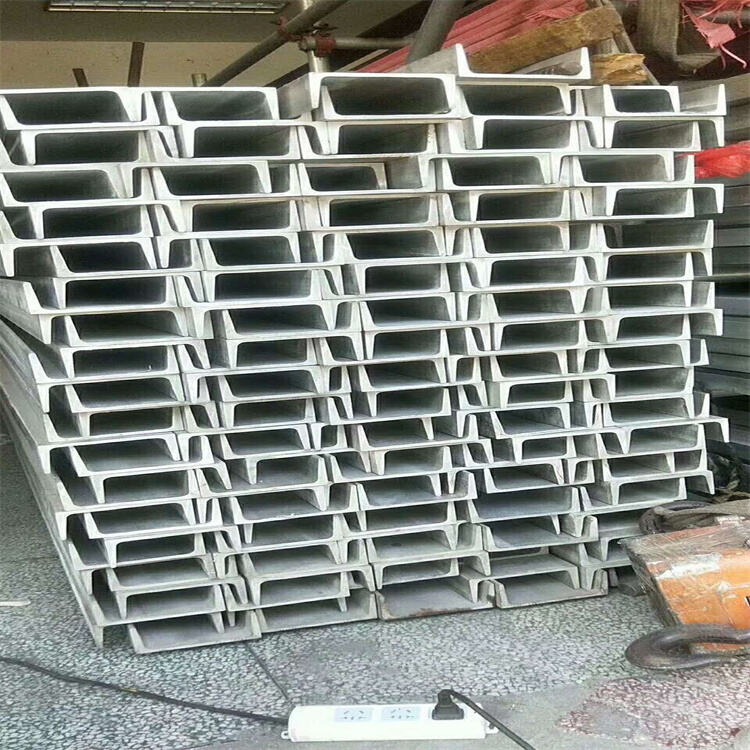
Structural Applications and Design Considerations
Architectural Integration and Aesthetic Appeal
The aesthetic versatility of stainless steel channel makes it an attractive choice for architects seeking to combine structural functionality with visual appeal. The clean lines and reflective properties of stainless steel complement both contemporary and traditional architectural styles, while the material's ability to be formed into complex shapes enables creative design solutions. This flexibility allows architects to achieve their vision without compromising structural performance or longevity.
Integration with other building materials requires careful consideration of thermal expansion coefficients, galvanic compatibility, and connection details. Stainless steel channel can be successfully combined with concrete, aluminum, wood, and composite materials through appropriate design techniques and fastening systems. The neutral appearance of stainless steel allows it to serve as either a prominent design element or a subtle structural component, depending on the architect's intent.
Load Path Analysis and Connection Design
Effective structural design with stainless steel channel requires thorough analysis of load paths and connection details to ensure optimal performance under service conditions. The unique properties of stainless steel, including its work-hardening characteristics and thermal expansion behavior, must be considered when developing connection details and specifying fastening systems. Proper connection design ensures that loads are transferred efficiently between structural elements while accommodating thermal movement and potential settlement.
Advanced computational analysis tools enable engineers to optimize stainless steel channel designs for specific loading conditions and performance requirements. Finite element analysis can reveal stress concentrations, deflection patterns, and potential failure modes, allowing for design refinements that maximize performance while minimizing material usage. These analysis capabilities support the development of innovative structural solutions that fully exploit the advantages of stainless steel channel systems.
Economic Benefits and Lifecycle Considerations
Initial Investment versus Long-term Value
While the initial cost of stainless steel channel may exceed that of conventional structural materials, comprehensive lifecycle cost analysis often reveals significant economic advantages over the service life of a structure. The elimination of painting, coating renewal, and corrosion repair requirements translates into substantial maintenance savings that can offset the higher initial investment within a reasonable payback period. This economic advantage becomes more pronounced in harsh environmental conditions where conventional materials would require frequent maintenance interventions.
Value engineering studies consistently demonstrate that stainless steel channel specifications can reduce total project costs when all factors are considered, including design optimization opportunities, reduced maintenance requirements, and extended service life. The ability to specify thinner sections due to superior strength properties can result in material savings that partially offset the higher unit cost of stainless steel. Additionally, the recyclability of stainless steel provides residual value at the end of the structure's service life.
Maintenance Requirements and Operational Efficiency
Operational efficiency benefits of stainless steel channel extend beyond simple maintenance cost reductions to encompass factors such as hygiene, cleanability, and environmental compliance. In food processing, pharmaceutical, and healthcare facilities, the ease of cleaning and sanitizing stainless steel surfaces contributes to operational efficiency and regulatory compliance. The non-porous surface of stainless steel channel resists bacterial growth and chemical contamination, supporting stringent hygiene requirements.
Maintenance scheduling for structures incorporating stainless steel channel can be significantly simplified compared to those using conventional materials. The elimination of regular painting cycles, corrosion inspection requirements, and protective coating renewal allows facility managers to focus maintenance resources on other critical systems. This operational simplification reduces administrative burden and minimizes disruptions to facility operations during maintenance activities.
Industrial Applications and Performance Case Studies
Chemical Processing and Marine Environments
Chemical processing facilities represent one of the most demanding applications for stainless steel channel, where exposure to aggressive chemicals, elevated temperatures, and corrosive atmospheres challenges the performance limits of structural materials. The chemical inertness of stainless steel channel makes it ideal for supporting piping systems, equipment platforms, and access structures in these harsh environments. Case studies from petrochemical plants demonstrate service lives exceeding 30 years with minimal maintenance requirements, validating the material selection for critical applications.
Marine environments present unique challenges including salt spray exposure, humidity fluctuations, and potential impact from debris or ice. Offshore platforms, coastal facilities, and marine terminals rely on stainless steel channel for structural frameworks that must withstand these aggressive conditions while maintaining safety and functionality. The self-healing nature of the stainless steel oxide layer ensures continued protection even when subjected to mechanical damage from wave action or maintenance activities.
Food Processing and Pharmaceutical Applications
Food processing facilities require structural materials that combine strength, hygiene, and cleanability characteristics that conventional steel cannot provide. Stainless steel channel serves as the backbone for equipment support structures, walkways, and access platforms where food safety regulations mandate easy cleaning and sanitation. The smooth, non-porous surface of stainless steel channel resists bacterial adhesion and chemical absorption, supporting HACCP compliance and FDA approval requirements.
Pharmaceutical manufacturing environments demand even higher standards of cleanliness and contamination control, making stainless steel channel an essential component of cleanroom construction and equipment support systems. The ability to achieve mirror-polished surfaces eliminates crevices where contaminants might accumulate, while the chemical resistance ensures that cleaning and sterilization processes do not degrade the structural elements. These characteristics support validation requirements for pharmaceutical production facilities.
FAQ
What grades of stainless steel are commonly used for structural channels
The most commonly specified grades for structural stainless steel channel applications are 304, 316, and 321, each offering distinct advantages for specific environments. Grade 304 provides excellent general-purpose corrosion resistance and is suitable for most indoor and moderate outdoor applications. Grade 316 includes molybdenum additions that enhance corrosion resistance in chloride environments, making it ideal for marine and chemical processing applications. Grade 321 incorporates titanium stabilization to prevent sensitization during welding, which is particularly valuable for high-temperature applications.
How does the cost of stainless steel channel compare to carbon steel alternatives
Initial material costs for stainless steel channel typically range from three to five times higher than equivalent carbon steel sections, depending on grade selection and market conditions. However, lifecycle cost analysis often reveals economic advantages when maintenance, replacement, and operational factors are considered over the structure's service life. The elimination of painting, coating renewal, and corrosion repair requirements can result in total cost savings of 20-40% compared to carbon steel alternatives in corrosive environments.
What are the key design considerations when specifying stainless steel channel for outdoor applications
Outdoor applications require careful consideration of thermal expansion characteristics, connection details, and environmental exposure conditions when specifying stainless steel channel. The coefficient of thermal expansion for stainless steel is higher than carbon steel, necessitating appropriate expansion joints and flexible connections to accommodate thermal movement. Grade selection should account for specific environmental factors such as chloride exposure, industrial pollution, and temperature extremes to ensure optimal long-term performance.
Can stainless steel channel be welded and fabricated using conventional methods
Stainless steel channel can be successfully welded and fabricated using adapted conventional methods, though specific techniques and consumables are required to maintain corrosion resistance and mechanical properties. TIG and MIG welding processes are commonly employed with appropriate filler metals matched to the base material grade. Post-weld cleaning and passivation treatments are essential to restore the protective oxide layer and ensure continued corrosion resistance. Proper heat management during fabrication prevents sensitization and maintains the material's corrosion-resistant properties.
Table of Contents
- Material Properties and Performance Characteristics
- Manufacturing Excellence and Quality Standards
- Structural Applications and Design Considerations
- Economic Benefits and Lifecycle Considerations
- Industrial Applications and Performance Case Studies
-
FAQ
- What grades of stainless steel are commonly used for structural channels
- How does the cost of stainless steel channel compare to carbon steel alternatives
- What are the key design considerations when specifying stainless steel channel for outdoor applications
- Can stainless steel channel be welded and fabricated using conventional methods